June 19, 2026 · 5:23 PM
FDA approvals week of June 13–19, 2026: first oral carbapenem, two oncology firsts, and a pediatric sweep
Seven FDA actions this week: Utebzi (first oral carbapenem), Ambelvist (lowest-dose GBCA), Welireg+Keytruda (adjuvant ccRCC), Truqap (PTEN-deficient prostate cancer), Tzield Stage 3 T1D, Capvaxive pediatric PCV21, and Dexcom Stelo pediatric CGM.

Seven FDA actions closed this week — two novel molecular entities, four label expansions, and one device clearance. Three of the seven specifically extended access to children. The oncology actions alone created the first targeted therapy for PTEN-deficient prostate cancer and the first approved PD-1/HIF-2α combination for kidney cancer. Below, each action is organized by what changed versus the prior regulatory state.
This week at a glance
| Date | Product | Sponsor | Action type | One-line change |
|---|---|---|---|---|
| June 12 | Ambelvist (gadoquatrane) | Bayer | NME #21 | Lowest-dose macrocyclic GBCA approved in the US |
| June 12 | Welireg + Keytruda (belzutifan + pembrolizumab) | Merck | Label expansion | First PD-1/HIF-2α combo approved for adjuvant ccRCC |
| June 12 | Truqap + abiraterone (capivasertib) | AstraZeneca | Label expansion | First targeted therapy for PTEN-deficient mAPMN/S prostate cancer |
| June 12 | Tzield (teplizumab-mzwv) | Sanofi | Accelerated approval expansion | First disease-modifying therapy for newly diagnosed Stage 3 T1D, ages 8–17 |
| June 12 | Dexcom Stelo | Dexcom | 510(k) label expansion | First OTC CGM cleared for children aged 2+ |
| June 17 | Utebzi (tebipenem pivoxil) | GSK / Spero | NME #22 | First oral carbapenem antibiotic approved in the US |
| June 18 | Capvaxive (PCV21) | Merck | Label expansion | First pneumococcal conjugate vaccine specifically studied for high-risk pediatric patients |
New molecular entities
Ambelvist (gadoquatrane) — Bayer — approved June 12
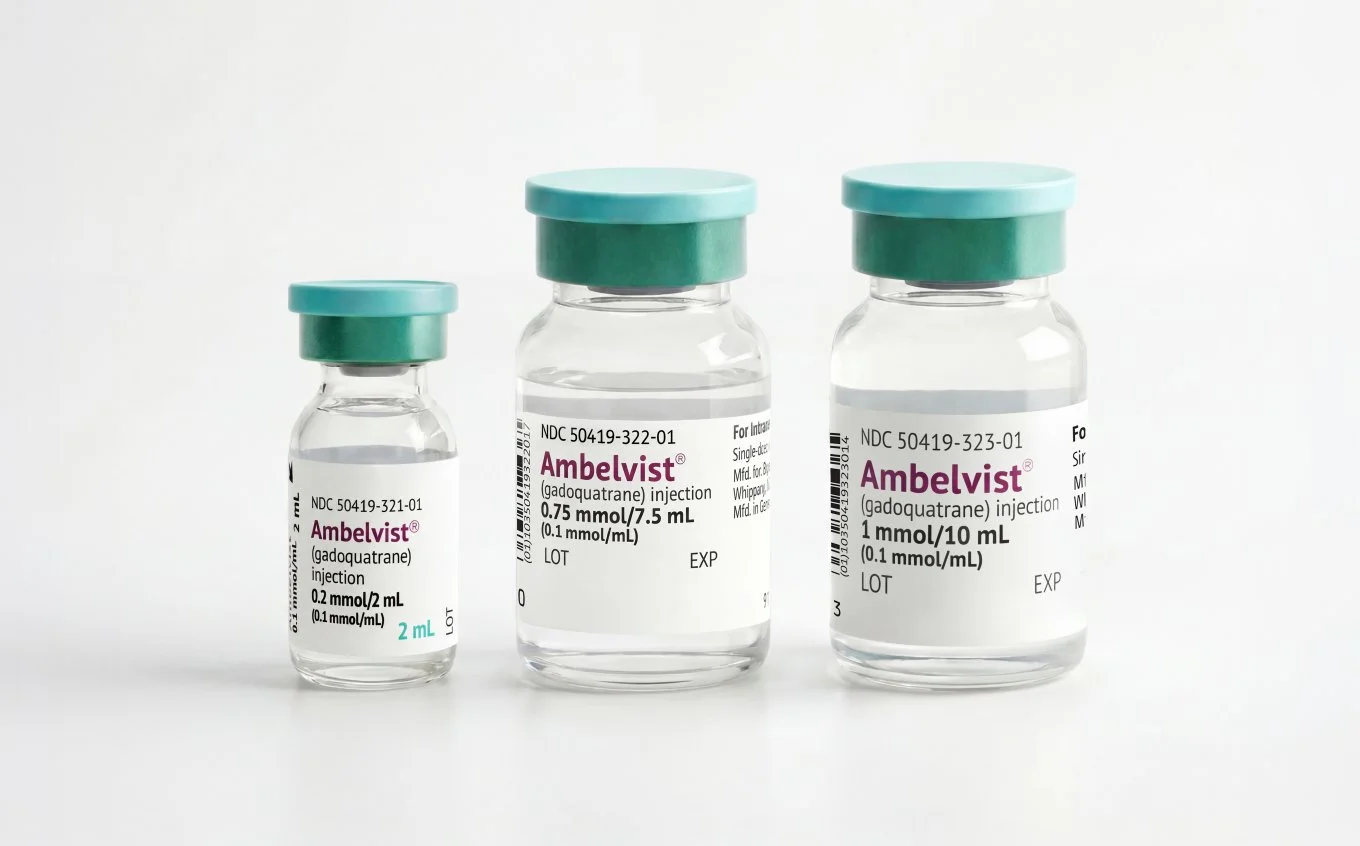
What changed: The US had no macrocyclic gadolinium-based contrast agent (mGBCA) approved at a dose below 0.05 mmol Gd/kg. Ambelvist, a next-generation mGBCA with a tetrameric molecular structure and high relaxivity, is now the lowest-dose option: 0.04 mmol Gd/kg, 60% less gadolinium per injection than standard 0.1 mmol/kg agents and 20% less than gadopiclenol (0.05 mmol/kg). 1
Indication: Contrast-enhanced MRI to detect and visualize lesions with abnormal vascularity in the CNS (brain, spine, and associated tissues) and non-CNS regions (head/neck, thorax, abdomen, pelvis, musculoskeletal system) in adults and pediatric patients, including term neonates. 1 2
Trial basis: The global Phase III QUANTI program enrolled 800+ patients across 15+ countries. At the primary endpoint, combined pre/post-contrast visualization scores were similar to standard-dose mGBCAs in descriptive analyses. The pediatric dataset included 93 patients aged 28 days to under 18 years who received a single 0.01 mmol/kg dose; pediatric pharmacokinetics and adult efficacy data were combined for the submission. 1 3
Key safety flags: Boxed warning for two distinct risks — intrathecal administration (not approved for this route; can cause death, coma, encephalopathy, and seizures) and nephrogenic systemic fibrosis (NSF) in patients with severely impaired drug elimination. Contraindicated in patients with a history of severe hypersensitivity to Ambelvist. Most common adverse reactions (≥0.2%): dizziness, headache, nausea, vomiting, injection site reactions, feeling hot, paresthesia, and pruritus. 1
Commercial context: Bayer — which brought the first gadolinium contrast agent (Magnevist) to market in 1988 — is now competing on dose minimization rather than image quality alone. Growing clinical guidance to use the lowest adequate gadolinium dose has become the dominant purchasing conversation for radiology department formularies. The competitive dimension Ambelvist shifts is formulary positioning against gadopiclenol (Elucirem, Guerbet), which holds the previous low-dose mGBCA record at 0.05 mmol Gd/kg. Bayer received first global approval in Japan in March 2026; EU and China applications are pending. Bayer is a diversified pharma with €45+ billion in annual revenue, so Ambelvist's stock impact is immaterial — the commercial read is whether it can displace gadopiclenol in formularies where dose minimization is now the stated preference. 4 3
Utebzi (tebipenem pivoxil) — GSK / Spero Therapeutics — approved June 17
What changed: No oral carbapenem had ever been approved in the US. Carbapenems — the last-resort intravenous (IV) beta-lactam antibiotic class for multidrug-resistant (MDR) gram-negative infections — required hospitalization solely to administer them by IV. Utebzi is now the first and only oral carbapenem approved anywhere in the US, creating a viable outpatient treatment path for eligible adults with complicated urinary tract infections (cUTI). 5 2
Indication: Treatment of adults with cUTI, including pyelonephritis (kidney infection), caused by susceptible Escherichia coli, Klebsiella pneumoniae, Enterobacter cloacae species complex, Klebsiella oxytoca, and Enterococcus faecalis, who have limited or no alternative oral treatment options. 5 FDA granted Priority Review, Fast Track, and Qualified Infectious Disease Product (QIDP) designations — the QIDP status confers an additional five years of market exclusivity under the GAIN Act. 5 6
Trial basis (PIVOT-PO): The Phase III PIVOT-PO trial randomized 1,690 hospitalized cUTI patients 1:1 to oral tebipenem pivoxil 600 mg every 6 hours vs IV imipenem-cilastatin (a standard carbapenem) 500 mg every 6 hours for 7–10 days. The primary composite endpoint (overall success at test-of-cure, approximately Day 17) was 58.5% (261 of 446 patients) for Utebzi vs 60.2% (291 of 483) for IV imipenem-cilastatin — an adjusted treatment difference of −1.3% (95% CI: −7.5% to 4.8%), meeting the pre-specified non-inferiority margin of −10%. 5 Most common adverse events (≥1%): diarrhea, headache, nausea, abdominal pain, and elevated liver enzymes — all mild to moderate.
Key safety flags: Contraindicated in patients with hypersensitivity to beta-lactam antibiotics and in those with primary or secondary carnitine deficiency (the pivalate moiety depletes carnitine). The drug interaction with valproic acid / divalproex sodium is clinically significant: co-administration reduces valproic acid plasma levels, which can cause breakthrough seizures in patients on anti-epileptic therapy. It can also generate a false-positive newborn screening result for isovaleric acidemia. 5 6
Commercial context: The US sees more than 3 million cUTI cases annually; up to 34% fail first-line oral treatment and require IV escalation; MDR gram-negative pathogens drive more than $6 billion per year in US healthcare costs. 5 7 GSK acquired exclusive global rights (excluding select Asian territories) from Spero Therapeutics in a $591 million deal in September 2022 and currently holds approximately 20% of Spero's (NASDAQ: SPRO) equity. 7 GSK bundles Utebzi commercially with Blujepa (gepotidacin, a first-in-class antibiotic for cUTI approved in 2025) and Brexafemme (ibrexafungerp, an oral antifungal), projecting collective peak sales above £2 billion per year for the three products — no independent analyst peak-sales estimate for Utebzi alone was published as of this writing. 7
Investor read: SPRO opened the day of approval up 20% pre-market, then closed down 18.4% at $2.87. 8 GSK (NYSE: GSK) closed up 0.64% at $52.55 on approval day. The divergence reflects the structure: GSK controls commercialization, and Spero's forward value now rests entirely on royalties and milestone payments — the pipeline beyond tebipenem is limited. The drug is expected to be available in the US by end of 2026. Development received partial funding from BARDA (US Biomedical Advanced Research and Development Authority) under two government contracts. 5
Oncology label expansions
Welireg + Keytruda (belzutifan + pembrolizumab) — Merck — approved June 12
What changed: Before this approval, adjuvant therapy for intermediate-high or high-risk clear cell renal cell carcinoma (ccRCC) post-nephrectomy was pembrolizumab (Keytruda) monotherapy, which was already approved. The combination of belzutifan (Welireg) — a first-in-class oral HIF-2α inhibitor — with pembrolizumab is now the first approved PD-1/HIF-2α (programmed death-1 receptor/hypoxia-inducible factor 2α) combination in any setting, and Welireg's first approval in early-stage disease. 9 10
Indication: Adjuvant treatment of adults with ccRCC at intermediate-high or high risk of recurrence after nephrectomy, with or without metastasectomy. Also cleared alongside Keytruda Qlex (pembrolizumab + berahyaluronidase alfa-pmph), Merck's subcutaneous formulation of pembrolizumab. 9
Trial basis (LITESPARK-022): This Phase III trial (NCT05239728) enrolled 1,841 patients and compared Welireg + Keytruda versus Keytruda + placebo. The combination reduced the risk of disease recurrence, distant metastasis, or death by 28% (hazard ratio [HR] = 0.72; p = 0.0003). The 24-month disease-free survival (DFS) rate was 81% in the combination arm versus 74% in the Keytruda-alone arm; median DFS was not reached in either arm at the time of this analysis. Overall survival (OS) data were immature at interim. 9 10 The FDA granted Priority Review under Project Orbis (a parallel regulatory review program with Australia's TGA and Health Canada). 9
Key safety flags: Serious adverse events (grade ≥3) in 30% of patients; fatal adverse events in 1.1% (including sepsis). Most common adverse reactions (≥25%): hemoglobin decrease (95%), elevated ALT (57%), fatigue (49%), elevated AST (46%). Welireg carries a boxed warning for embryo-fetal toxicity — male patients must also use contraception. Treatment duration: Welireg up to 54 weeks; Keytruda up to 12 months. 9
Commercial context: Kidney cancer diagnoses in the US run approximately 80,000 per year, with ccRCC comprising about 70% of that volume. 11 Welireg originated from Merck's 2019 $1.1 billion acquisition of Peloton Therapeutics and posted $716 million in 2025 revenue, up 41% year over year. 11 Leerink Partners raised its 2028 Welireg sales estimate 36% to $3.4 billion after detailed trial results, while noting adjuvant uptake "will build more slowly given immature OS outcomes and ongoing debate about over-treatment." 11 The competitive dimension shifted: until now, the adjuvant ccRCC choice was Keytruda monotherapy or observation; this approval inserts a second drug with an incremental DFS benefit but also meaningfully higher toxicity burden and cost.
Truqap + abiraterone + prednisone (capivasertib) — AstraZeneca — approved June 12
What changed: No targeted therapy existed for PTEN-deficient metastatic prostate cancer in any hormone-sensitive setting. Capivasertib (Truqap) is a first-in-class oral AKT1/2/3 (protein kinase B) inhibitor — AKT is the effector kinase downstream of PIK3CA/PTEN loss. With this approval, PTEN-deficient mAPMN/S (metastatic androgen pathway modulation-naïve or -sensitive) prostate cancer — the newly designated FDA term replacing mHSPC (metastatic hormone-sensitive prostate cancer) — now has its first biomarker-directed therapy. This is Truqap's second tumor type after HR+/HER2− breast cancer (approved 2023). 12 13
Indication: Capivasertib 400 mg twice daily (4 days on / 3 days off) combined with abiraterone (androgen synthesis inhibitor) 1,000 mg daily and prednisone 5 mg daily, for adults with PTEN-deficient mAPMN/S prostate cancer. Concurrent with the drug approval, the FDA cleared Roche's VENTANA PTEN (SP218) RxDx Assay as the first immunohistochemistry (IHC) companion diagnostic for PTEN protein loss in prostate cancer — required to identify eligible patients. PTEN deficiency is defined as ≥90% of viable malignant cells showing no specific cytoplasmic staining. 12 14
Trial basis (CAPItello-281): This Phase III trial enrolled 1,012 patients and compared Truqap + abiraterone vs placebo + abiraterone. Truqap reduced the risk of radiographic progression or death by 19% (HR = 0.81; p = 0.034). Median radiographic progression-free survival (rPFS): 33.2 months vs 25.7 months — a 7.5-month improvement. OS data were not mature at the primary analysis but numerically favored Truqap; the trial continues to collect OS data. An FDA Oncologic Drugs Advisory Committee (ODAC) voted 7–1 in favor on April 30, 2026. 12 13
Key safety flags: Grade ≥3 adverse events in 67% of Truqap-treated patients. Most frequent severe toxicities: rash (12.3% grade ≥3) and hyperglycemia (10.3%). Diabetic ketoacidosis (DKA) occurred in 1.2% of patients — prescribers should counsel patients on DKA symptoms and monitor blood glucose. Twenty percent permanently discontinued Truqap; dose interruptions in 65%. 12 15
Commercial context: Approximately 35,000 mAPMN/S prostate cancer diagnoses occur in the US annually, with roughly 25% — around 8,750 patients — carrying PTEN-deficient tumors. 12 The requirement for the VENTANA companion diagnostic test introduces a tissue-testing workflow step not previously required in this setting — clinicians and payers will need to establish reflex IHC testing protocols. The EU regulatory application for this indication is under review. Independent peak-sales estimates for the prostate cancer indication were not available in published analyst reports as of this issue; AstraZeneca (LSE: AZN) shares traded approximately 18.5% below the analyst consensus target of £165.17 at the time of approval. 16
Other label expansions
Tzield (teplizumab-mzwv) — Sanofi — accelerated approval June 12
What changed: Tzield (teplizumab-mzwv), an anti-CD3 monoclonal antibody, was first approved in November 2022 to delay Stage 3 T1D (type 1 diabetes) in adults and children aged 8+ with Stage 2 T1D (pre-symptomatic). In April 2026, that Stage 2 indication was extended to children as young as 1. This approval is different in kind: it is now the first FDA-approved disease-modifying therapy for newly diagnosed Stage 3 T1D — when patients have already developed symptomatic hyperglycemia and measurable autoimmune destruction of insulin-producing beta cells. The approved population is children aged 8–17. 17 18
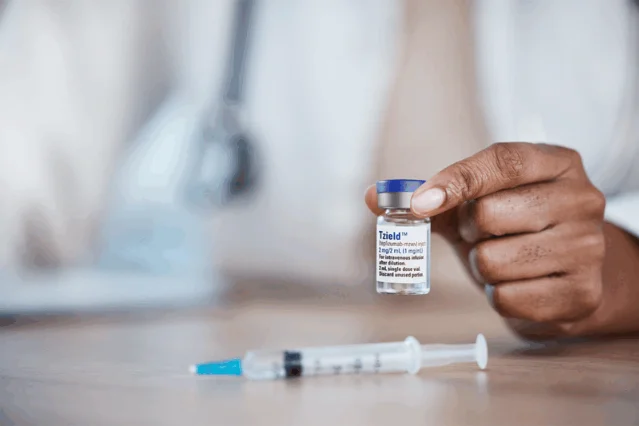
Indication: To delay the decline in endogenous insulin production (measured by C-peptide) in patients aged 8–17 years with newly diagnosed Stage 3 T1D. This is an accelerated approval based on C-peptide as a surrogate endpoint reasonably likely to predict clinical benefit; full approval requires completion of the confirmatory BETA-PRESERVE Phase III trial (NCT07088068), which has been initiated and is enrolling. 17 18
Dosing regimen: Two 12-day intravenous infusion courses given 6 months apart. Day 1: 106 mcg/m² (body surface area); Day 2: 425 mcg/m²; Days 3–12: 850 mcg/m² — each infusion over 30 minutes. The multi-day inpatient or outpatient infusion burden remains a practical barrier to uptake at the newly diagnosed stage. 19
Trial basis (PROTECT): Phase III PROTECT (NCT03875729) enrolled 328 patients aged 8–17 — 217 on Tzield (2:1 randomization) vs 111 on placebo. At 78 weeks, Tzield significantly slowed C-peptide decline: least-squares mean difference +0.13 pmol/mL (95% CI: 0.09–0.17; p < 0.001). Clinically, preserved C-peptide correlates with better glycemic control, fewer hypoglycemic episodes, and lower HbA1c — but the trial was not powered to show a direct reduction in insulin requirements or a delay to insulin initiation as a primary outcome. 17 18
Key safety flags: Boxed warning for potentially life-threatening viral reactivation — specifically EBV (Epstein-Barr virus) and CMV (cytomegalovirus). Common adverse reactions: lymphopenia, vomiting, rash, leukopenia, diarrhea, neutropenia, elevated liver transaminases, and headache. Cytokine release syndrome (CRS) has been reported as a serious event. 17 19
Commercial context: Approximately 64,000 people are diagnosed with T1D each year in the US (Breakthrough T1D data). 20 Tzield was launched at approximately $194,000 per treatment course in 2022; Sanofi had not issued updated pricing for the Stage 3 indication as of this writing. The broader adoption question at Stage 3 is whether payers and endocrinologists will initiate an immunotherapy at diagnosis — when insulin therapy is already mandated — based on a surrogate endpoint of C-peptide preservation. Sanofi acquired Tzield through its 2023 purchase of Provention Bio. Sanofi (NASDAQ: SNY) shares declined 4.2% from $44.25 on June 12 to $42.38 on June 18 — a move likely attributable to broader sector rotation rather than Tzield-specific concerns. 17
Capvaxive (pneumococcal 21-valent conjugate vaccine) — Merck — approved June 18
What changed: Three pneumococcal conjugate vaccines (PCVs) were approved for pediatric primary series use in the US before this decision: PCV13 (Prevnar 13), PCV15 (Vaxneuvance), and PCV20 (Prevnar 20). None had been specifically studied or labeled for the high-risk booster population — children aged 2–17 who have chronic conditions increasing their risk for invasive pneumococcal disease (IPD) and who have already completed their primary pediatric PCV series. Capvaxive (PCV21) is now the only PCV labeled specifically for this supplemental use. 21

Indication: A single dose of Capvaxive for immunization against pneumococcal disease caused by the 21 serotypes in the vaccine, in individuals aged 2–17 years who have completed the primary pediatric PCV series and have chronic conditions — including sickle cell disease, functional or anatomic asplenia, HIV infection, cochlear implants, or cerebrospinal fluid (CSF) leaks — that increase IPD risk. The pneumonia indication was approved via the accelerated approval pathway; confirmatory trials are required. 21
Trial basis (STRIDE-13): Phase III STRIDE-13 (NCT06177912) enrolled 874 patients aged 2–17 in a 3:2 randomization — 527 to Capvaxive and 347 to PPSV23 (Pneumovax 23, the polysaccharide vaccine currently used off-label in this population). Capvaxive achieved non-inferiority to PPSV23 on 12 shared serotypes. On 9 Capvaxive-unique serotypes, it achieved statistically superior opsonophagocytic activity (OPA) geometric mean titers (GMTs). 21 23
Serotype coverage: Capvaxive covers 21 serotypes, including 8 not contained in any other approved PCV — 15A, 15C, 16F, 23A, 23B, 24F, 31, and 35B. Among high-risk pediatric patients, the 21 Capvaxive serotypes account for approximately 79% of IPD cases; the 8 Capvaxive-unique serotypes (not in other approved PCVs) collectively account for approximately 40% of IPD cases in this population. For context, Capvaxive covers approximately 82% of adult IPD cases versus approximately 54% for Prevnar 20 (PCV20) — but these figures come from CDC surveillance data (2019–2023) and represent serotype prevalence, not head-to-head efficacy data. No direct comparative efficacy trial against PCV20 in any population has been conducted. 21 22
Key safety flags: Adverse reactions resolved in a median of 2 days; most within 3 days. Serious adverse event (SAE) rate: 5.5% in the Capvaxive arm vs 7.2% in the PPSV23 arm. One Capvaxive recipient experienced a vaccine-related syncopal (fainting) episode requiring hospitalization (grade 2). 21
Commercial context: List price: $301.35 per dose. Capvaxive's adult indication (ages 18+) generated more than $530 million in its first four full quarters of sales. The pneumococcal conjugate vaccine market is projected to exceed $8 billion globally by 2035. 24 The near-term uptake constraint is the Advisory Committee on Immunization Practices (ACIP) process: ACIP is currently functionally paralyzed due to ongoing legal challenges (a federal judge blocked the Secretary of Health's appointed committee members), which could delay Capvaxive's entry into the CDC childhood immunization schedule and — critically — the Vaccines for Children (VFC) program that covers most at-risk pediatric patients. The American Academy of Pediatrics (AAP) may issue its own interim recommendation in fall 2026. Merck (NYSE: MRK) shares declined 4.4% over the week, from $119.05 on June 12 to $113.87 on June 18, a move driven by broader sector pressure rather than vaccine-specific news. 21 24
Device clearance
Dexcom Stelo Glucose Biosensor System — Dexcom — 510(k) clearance June 12
What changed: Dexcom Stelo, a CGM (continuous glucose monitor) available over-the-counter (OTC) without a prescription, was originally cleared in March 2024 for adults aged 18 and older who do not use insulin. That 18+ age floor now drops to 2 years old — making Stelo the first OTC CGM cleared for pediatric use anywhere in the US. Abbott's Libre OTC device does not currently carry a pediatric indication. 25 26
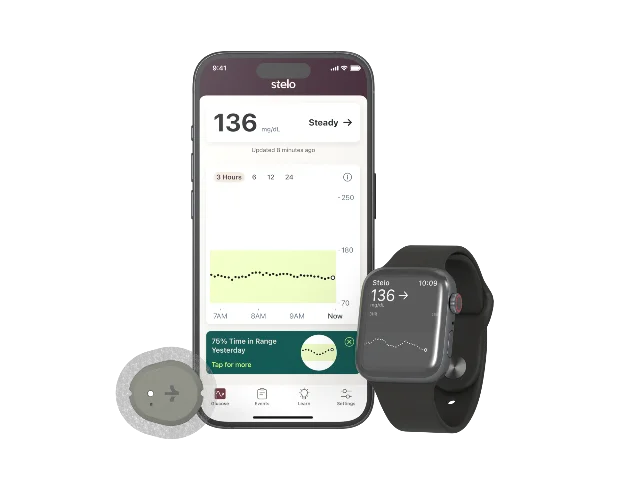
Intended use: Monitoring and trending glucose levels in non-insulin-using patients aged 2 and older, including those with prediabetes or type 2 diabetes. Not indicated for people with a history of problematic hypoglycemia, patients on dialysis, or people with a history of an eating disorder (consult a physician first in the last group). The sensor runs for up to 15 days and displays a reading every 15 minutes through a companion app — which can be installed on a parent's or caregiver's device. 25
Evidence basis: The FDA used a combination of prior pediatric and adult clinical study data alongside real-world evidence from current users over full 15-day wear periods to support the pediatric clearance. Actual wear times for children may be shorter than the 15-day maximum; adverse events in study participants were mild — local infection, skin irritation, and pain or discomfort at the sensor site. 25
Commercial context: Stelo generated approximately $130 million in revenue in 2025 against Dexcom's (NASDAQ: DXCM) total revenue of $4.7 billion. 27 The current subscription price is approximately $89–$99 per month (two sensors). CDC data indicate nearly one-third of US adolescents had prediabetes as of 2023. 26 The specific commercial strategy for pediatric rollout — whether pricing changes, which retail channels, whether caregiver apps get updated features — had not been disclosed by Dexcom as of the clearance announcement. DXCM shares declined approximately 1.5–2.2% in the trading session following the FDA announcement, giving back a move that had been partially anticipated. 28 29
Actionable signals
For investors:
- Welireg (MRK): Leerink's $3.4B 2028 estimate is conditioned on adjuvant uptake building — which depends on mature OS data not yet available. Watch the next LITESPARK-022 OS cut.
- Truqap (AZN): The PTEN companion diagnostic creates a mandatory testing step — uptake speed depends on how quickly oncology practices implement reflex IHC testing. The EU regulatory outcome is a near-term catalyst.
- Utebzi (GSK/SPRO): SPRO's value is now a royalty stream on GSK's commercial execution; no independent analyst consensus sales estimate for Utebzi alone. GSK's antibiotic franchise peak projection of >£2B includes two other products.
- Capvaxive (MRK): The ACIP paralysis is the single largest revenue risk — VFC coverage drives pediatric vaccine uptake in the at-risk population that is Capvaxive's primary target. Monitor AAP interim guidance timing.
- Stelo (DXCM): The pediatric OTC CGM moat against Abbott Libre is meaningful but commercially early-stage — Dexcom has not disclosed a pediatric marketing plan.
For clinicians:
- Utebzi: The valproic acid interaction requires a complete medication reconciliation before prescribing. The carnitine-depletion risk requires screening for carnitine deficiency disorders in patients with relevant family or metabolic history.
- Truqap: Grade 3+ toxicity in 67% of treated patients — rash and hyperglycemia management protocols should be in place before initiating. All patients need baseline glucose and HbA1c; monitor for DKA symptoms.
- Tzield (Stage 3): The accelerated approval means long-term clinical benefit has not been confirmed. Initiation decisions should weigh the C-peptide surrogate data against the boxed warning for EBV/CMV reactivation and the logistical burden of the two-course IV infusion regimen.
- Capvaxive: The pediatric high-risk indication is a single supplemental dose after completion of the primary PCV series — not a replacement. Until ACIP issues a recommendation, off-schedule use and VFC coverage remain uncertain.
For patient advocates:
- Tzield at Stage 3: This is a meaningful expansion — children diagnosed with T1D now have an approved therapy targeting the underlying autoimmune process, not just insulin replacement. The accelerated approval framework means the confirmatory BETA-PRESERVE trial (NCT07088068) is the pivotal next event to watch.
- Stelo pediatric clearance: The $89–$99/month OTC price means no prescription barrier, but cost is still a potential access issue for uninsured or underinsured families. Advocacy for payer coverage policies for children with prediabetes in this age group is a near-term opportunity.
Cover image: Ambelvist (gadoquatrane) injection vials. Image from Diagnostic Imaging Europe.
References
- 1Bayer press release: Ambelvist FDA approval
- 2FDA Novel Drug Approvals 2026
- 3Diagnostic Imaging Europe: FDA approves Bayer's low-dose MRI contrast agent
- 4Radiology Business: FDA approves Bayer's new low-dose gadolinium imaging agent
- 5GSK press release: Utebzi FDA approval
- 6WebMD: Utebzi — first oral carbapenem for cUTI
- 7pharmaphorum: GSK claims FDA okay for first oral carbapenem
- 8Benzinga: GSK, Spero win FDA nod for first oral carbapenem
- 9Merck via BusinessWire: FDA approves Keytruda + Welireg for adjuvant ccRCC
- 10FDA: FDA approves belzutifan with pembrolizumab for adjuvant RCC
- 11FiercePharma: Merck's Welireg expands in kidney cancer with adjuvant nod
- 12AstraZeneca via BusinessWire: Truqap approved for PTEN-deficient prostate cancer
- 13FDA: FDA approves capivasertib for PTEN-deficient prostate cancer
- 14Roche via GlobeNewswire: Roche receives FDA approval for first PTEN companion diagnostic
- 15Cancer Therapy Advisor: FDA approves Truqap combination for PTEN-deficient prostate cancer
- 16Simply Wall St via Yahoo Finance: Truqap approval adds precision prostate cancer upside to AstraZeneca
- 17Sanofi press release: Tzield approved for Stage 3 T1D
- 18FDA: FDA approves drug for pediatric Stage 3 Type I diabetes
- 19Drugs.com: Tzield (teplizumab-mzwv) — uses, dosing, side effects & warnings
- 20Breakthrough T1D: Tzield approved for Stage 3 T1D
- 21Merck press release: FDA approves Capvaxive for pediatric patients
- 22Healio: Capvaxive approved for children at high risk for pneumococcal disease
- 23Contagion Live: FDA expands Merck pneumococcal vaccine indication to high-risk children
- 24BriefGlance: Merck's Capvaxive approval redraws pediatric vaccine landscape
- 25FDA: FDA clears first OTC continuous glucose monitor for children
- 26MedTech Dive: In a first, Dexcom's OTC glucose sensor is cleared for kids
- 27FierceBiotech: FDA clears Dexcom's Stelo OTC glucose monitor for use with children
- 28Zacks: DXCM receives FDA clearance for Stelo OTC CGM system for children
- 29Benzinga: Dexcom scores pediatric expansion for OTC Stelo glucose monitor


Add more perspectives or context around this Post.