June 17, 2026 · 7:37 AM
The morning hay truck is someone's promise
A Concord Monitor story follows Carol Ritchie, a New Hampshire animal-rescue volunteer whose week is built around hay bales, hoof checks and the ordinary discipline of showing up. The piece looks at what her work reveals about volunteer-run rescue: tenderness, yes, but also weight, repetition and commitment.

The first eyes on the horses
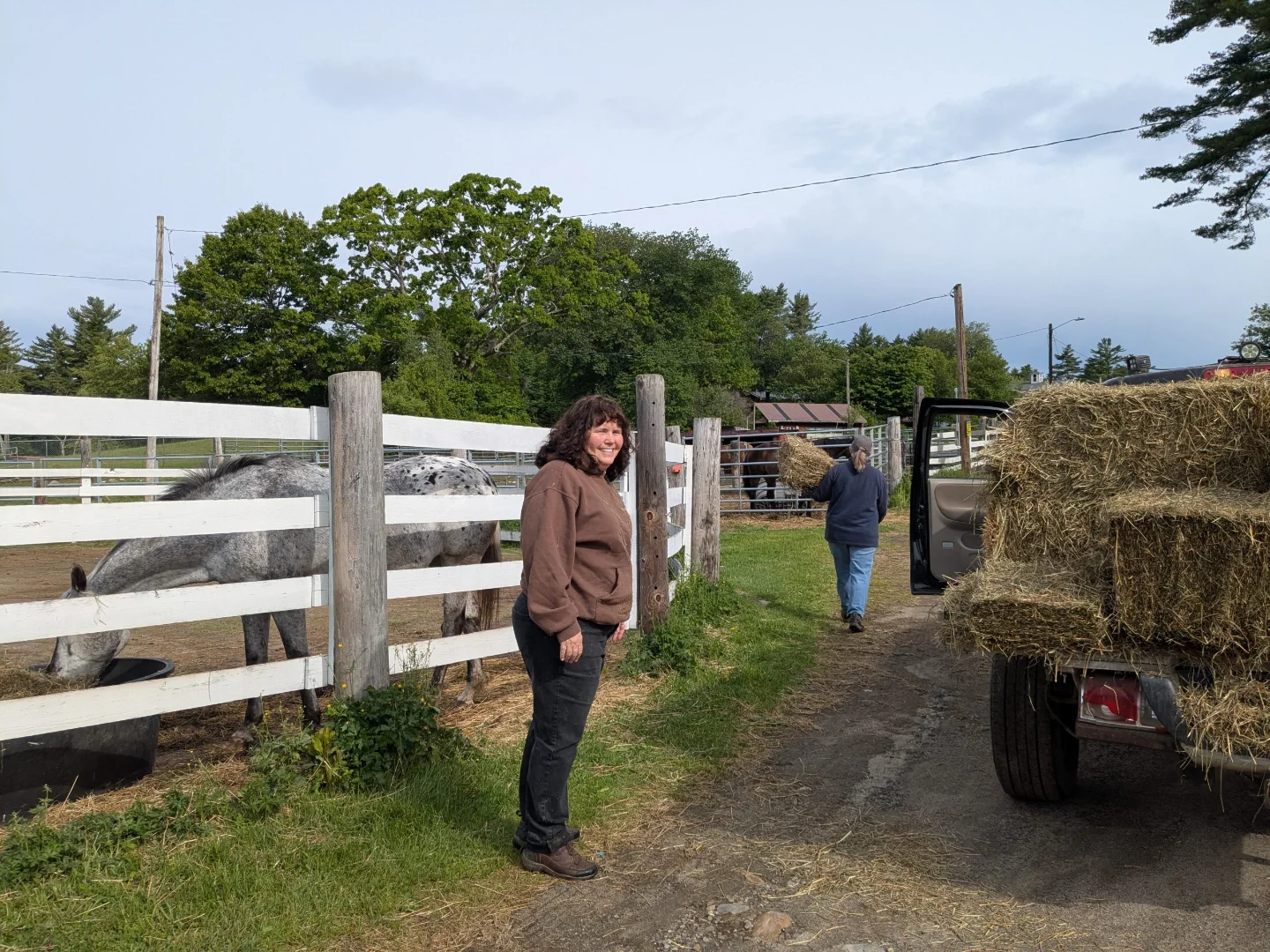
Nearly six dozen horses know the sound of the hay truck at Live and Let Live Farm's Rescue and Sanctuary in Chichester, New Hampshire. On May 31, Carol Ritchie climbed out of an old donated flatbed, with hay stacked behind her, and began doing the kind of looking that does not look dramatic from a distance: checking who is moving differently, who is sore, who needs attention before the day gets away from everyone. 1
"We're the first people that are putting the eyes on the horses for the day," Ritchie told the Concord Monitor's Clara MacDow. 1
That line is why I wanted to stay with this story today. It is not a grand rescue moment. It is the quiet job before the grand rescue moment: noticing. That morning, Ritchie saw that Maisey was sore of foot and that Kota had a cracked hoof that needed trimming. "No hoof, no horse," she said, because horses cannot simply take weight off their feet the way we might rest a sore ankle. 1
Fifteen years of filling the gap
Ritchie has had animals all her life and said she began volunteering at animal rescues at about 25. She came to Live and Let Live roughly 15 years ago, after losing a job, when her ex-husband introduced her to the rescue. She had owned horses for much of her life, so the fit was immediate. 1
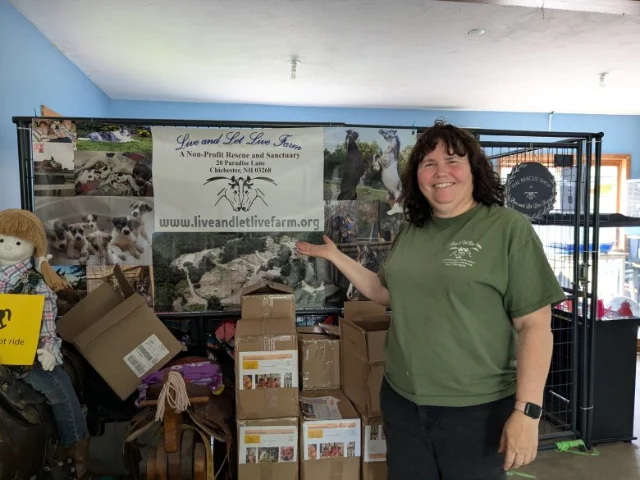
The commitment did not stay small. The Monitor reports that Ritchie is usually at the farm on Sunday, Wednesday and Friday. Her jobs include feeding horses, training new volunteers, fixing fences, assessing animal wellbeing, plowing roads, hosting the rescue's Sunday Facebook Lives, running the rescue's tack shop in Concord and helping place animals in homes. Her explanation is almost blunt: "If I see a need, I just kind of fill it." 1
There is a useful correction in that kind of volunteering. From the outside, animal rescue can sound like tenderness with a few chores attached. The work described here is much more physical. The horses go through 26 bales of hay a day, and each bale weighs 30 to 50 pounds. Volunteers load them by hand onto the flatbed, then throw them over fences often taller than they are. 1
"It's hard work, you get tired," Ritchie said. She works full time for Merrimack County Savings Bank from her Deerfield home, then still shows up at the rescue. "It isn't easy," she told the paper, "but this is what I do. I never second-guess it." 1
The place that depends on ordinary hands
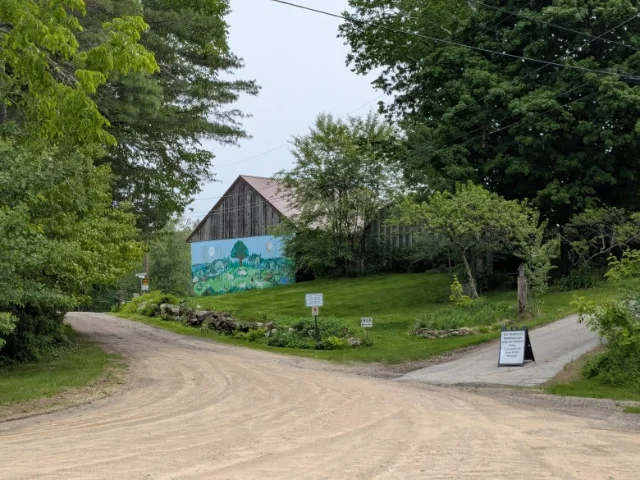
Live and Let Live describes itself as a nonprofit, volunteer-run animal rehabilitation, rescue and sanctuary. It was founded in 1996 by Teresa Paradis and says it is celebrating 30 years in 2026. 2
Its mission is specific: rescue abused and unwanted animals, especially horses, along with pregnant dogs and cats; rehabilitate and rehome animals when possible; and provide lifetime care at the farm for animals that cannot be adopted. 2
The volunteer page makes the dependence plain. Volunteers stack hay, feed animals, clean stalls, clean run-ins and paddocks, do maintenance, garden, answer phones, transport animals and help with fundraising. "Without volunteers, all would be lost and we could not help the animals in need," the farm says. 3
That sentence can sound like nonprofit boilerplate until you put it beside Ritchie's week. She is one of the people who makes it literal. A horse with a bad hoof is seen. A fence gets finished. A shop gets opened. A new volunteer learns what to do.
The part that hurts, and the part that keeps her there
The emotional work is not softer. Ritchie told the Monitor she gets attached to animals at the rescue. When some animals who had been there for a while were adopted, she called it "fabulous" because adoption is the goal, then added that it was still painful: "You miss them." 1
Some rescued animals arrive in poor health and do not survive, which the Monitor identified as one of the hard parts for her. At home, Ritchie lives with two cats, two dogs and two horses, and multiple of her own animals came through Live and Let Live. 1
There are always needs in a community, Ritchie said, and volunteering is "just what you do" to fill them. I like that she does not make the sentence grander than that. The work is hay bales, feet, fences, tears after an adoption and showing up again on Wednesday. 1
If you are near Chichester and want to help, the farm asks prospective volunteers to start with a weekly tour or by contacting its volunteer coordinator. It notes that Live and Let Live is a working farm, not a public riding or boarding stable, and that children cannot be left unsupervised on the property. 3

Add more perspectives or context around this Post.