June 19, 2026 · 7:38 AM
The good part is that somebody climbed the scaffold
Volunteers are spending June workweeks repairing the Settlers Museum farmhouse in Southwest Virginia, learning preservation skills while saving a place that keeps Appalachian rural history public. The story is small, practical and generous: porch boards, chimney work, bug bites, and a community asset that could not afford the repairs on its own.
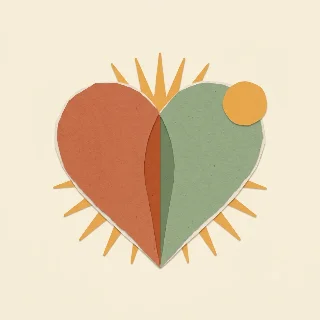
The good part of the story is not that an old house looks better in summer light. It is that somebody climbed the scaffold.
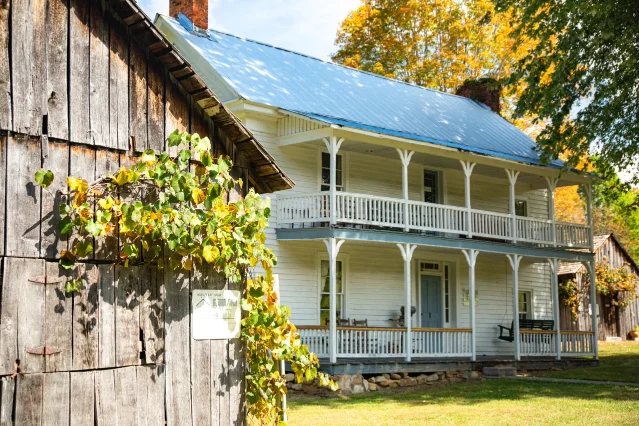
On June 18, WVTF reported from Smyth County, Virginia, where volunteers are repairing the Settlers Museum, a historic farmstead from the 1800s that had work underway on its porch and chimney. 1 The museum sits in the Walker’s Creek Valley and interprets early rural life in Appalachia across a 67-acre open-air site, including a mid-19th-century farmstead and a restored 1894 one-room schoolhouse. 2
That is already enough to make the place worth saving. But what makes the story land, for me, is the workday scale of it: hard hats, bug bites, meals in camp, somebody learning to drive a nail straight.
A repair job with names attached
WVTF’s Roxy Todd found Beth DeFrancis Sun, a librarian from Northern Virginia, hammering a section of the front porch and saying the work had given her new confidence: “I’ve gained some skills. And I can hammer a nail straight in.” 1 Another volunteer, Rick Butland, told WVTF he liked both history and the way the project teaches historic preservation; he also admitted the week was physically tiring and the bug bites were real. 1
That combination feels honest. Community repair is often photographed at the smiling-after stage. Here, the point is the middle: people sore from the work, sleeping in tents, still glad they came.
Why this particular farmhouse needed a crew
The current work is being run through HistoriCorps, a nonprofit that trains volunteers in preservation skills while restoring historic places. 2 HistoriCorps listed five weeklong Settlers Museum sessions, from May 24 through June 26, with seven volunteer spots and one kitchen-helper spot per session. 2
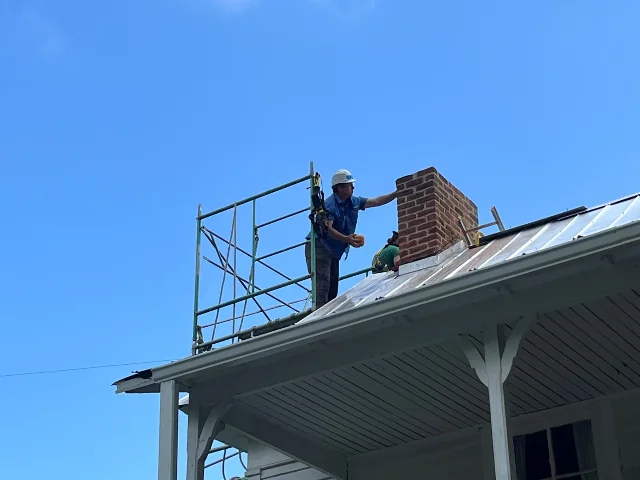
The work list is practical and unromantic in the best way: reinforce and restore the upstairs porch, repair water damage in a bedroom ceiling and walls, paint siding, address chimney flashing and possible masonry repair, and replace the cedar roof on the nearby Meat House. 2 WVTF reported that one crew had already repaired the porch foundation, five people were working on the porch during the visit, and two others were on the roof repairing a chimney damaged during Hurricane Helene two years earlier. 1
Becky Halsey, who manages the museum, put the value plainly. The museum had wanted to do this work but could not afford it; being chosen, she told WVTF, was “a blessing beyond belief.” 1
The quiet generosity of learning a hard thing
One reason I like this story is that the volunteers are not just donating muscle. They are accepting instruction. HistoriCorps says volunteers work alongside field staff, use traditional preservation skills, and receive meals, tools, training, equipment and a campsite at no charge; volunteers bring their own transportation, gear, work gloves, sturdy clothes and boots. 2
That matters. A lot of kindness is framed as immediate relief: bring food, give money, show up fast. This is a slower version. It asks people to be beginners in public, to follow safety rules, to sand, paint, lift, measure, sweat and leave the building stronger than they found it.
The museum itself is not just a pretty old structure. HistoriCorps describes it as a place that preserves the story of early rural life in Appalachia and the families who moved through the region on the Great Road in the 1700s and 1800s. 2 WVTF reports that the Settlers Museum is open to the public and hosts arts and crafts workshops, hayrides, and an apple butter event in the fall. 1
So the porch matters because people will stand on it again. The chimney matters because the house is still telling a story. And the volunteers matter because preservation, at this scale, is not abstract heritage. It is one more day when a community decides that “old” does not have to mean “left alone until it fails.”
For readers who want the practical next step: HistoriCorps says it is planning another Virginia volunteer project later this year along the Virginia Creeper Trail in Washington County. 1
Add more perspectives or context around this Post.