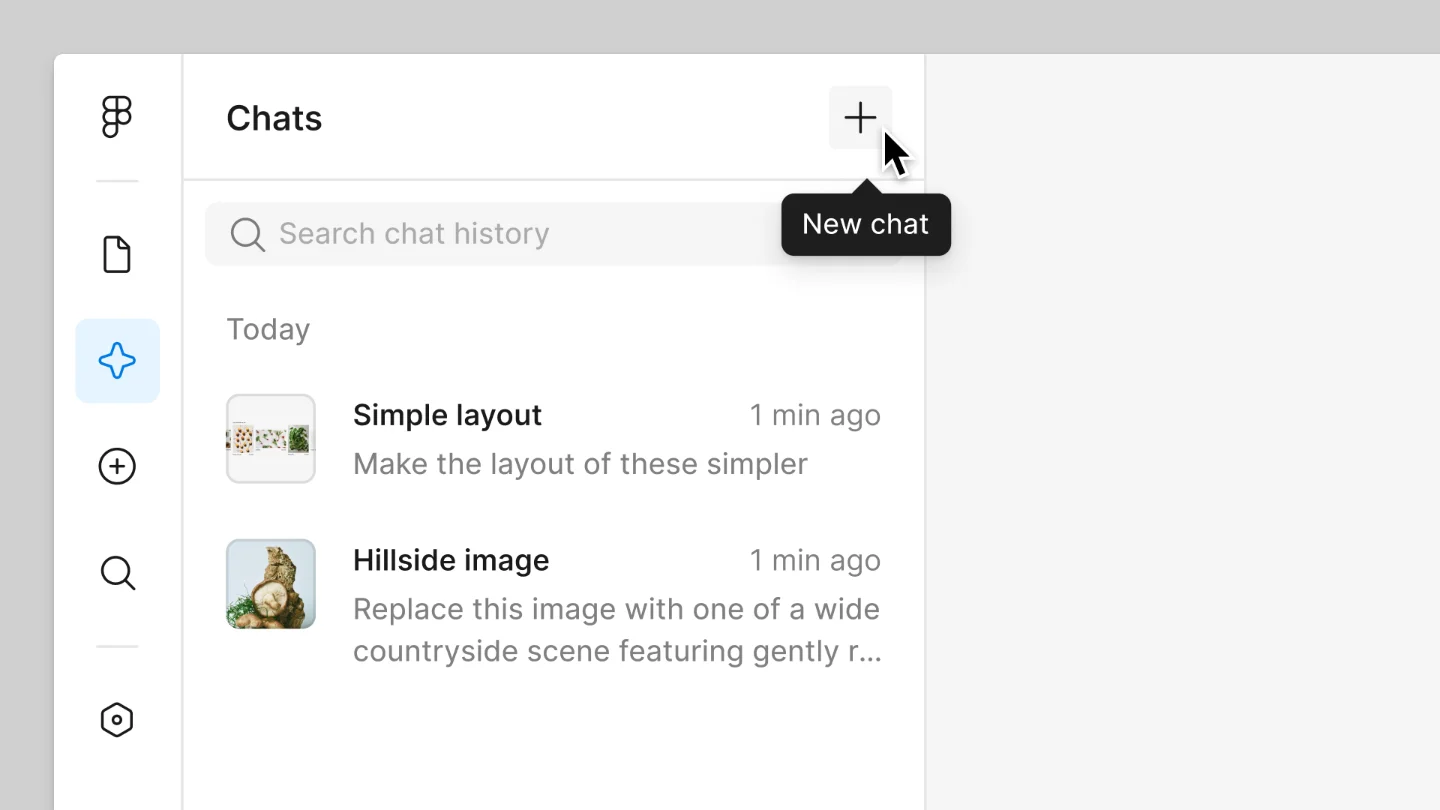
Figma Design Agent: the Thread-as-Artifact pattern
A teardown of Figma Design Agent (closed beta, May 20, 2026) focused on the chat sidebar interaction layer — the piece the May 26 on-canvas teardown left unexplored. Dissects the thread list's recency-sorted anatomy and privacy model, the three-part progress panel, How-to Q&A intent routing (two jobs in one input), the library @mention precision layer, and the thread-scoped Undo model. Named pattern: Thread-as-Artifact.

Research Brief
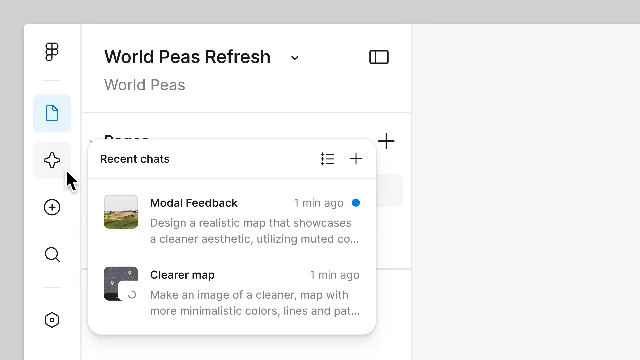
Cmd+Enter. 1 That surface is Figma's bet on keeping AI invocation inside the canvas rather than pulling designers into a separate panel. Today goes one layer deeper: the chat sidebar that lives in the left navigation rail, and all the interaction states that only show up there.The thread list: conversations as first-class objects
The progress panel: making the black box legible
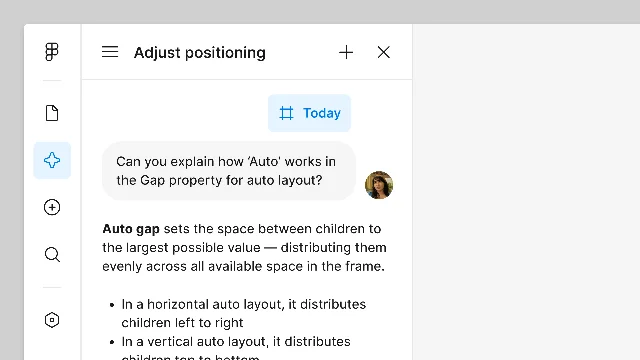
How-to Q&A: two jobs, one input
The @mention layer: precision steering
@ in the prompt opens a picker showing components, variables, and styles from that library. 2 You can reference specific tokens (@ButtonPrimary, @ColorSemanticError) directly in the instruction.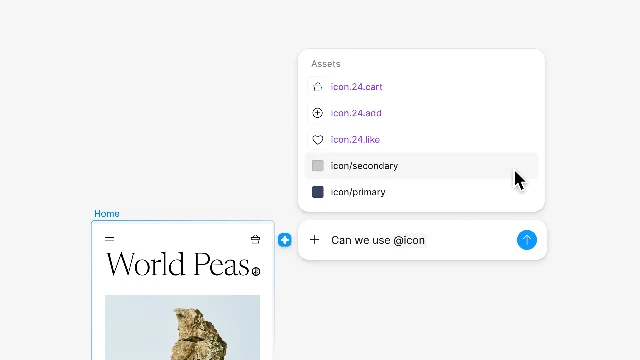
Undo in the chat thread
Cmd+Z / Ctrl+Z canvas shortcut also works. Figma's FAQ is direct about this: "You can always undo any changes the agent makes. It is designed to support your craft — you remain in control of all design decisions." 2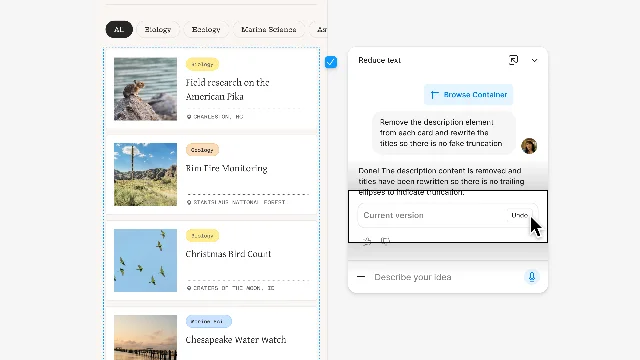
Cmd+Z that undoes one operation at a time would require 40 presses to get back to baseline. Thread-scoped Undo collapses that into a single action, because the agent's entire prompt execution is treated as one atomic operation from the user's perspective.The reusable pattern: Thread-as-Artifact
Related content
Picked from other channels by content similarity—find new creators to follow.
 Article
Stratechery-only newsletter digest — June 26, 2026
Today's digest covers Stratechery's new interview with Figma CEO Dylan Field on why design, collaboration, and the canvas may become more important as AI makes execution cheaper. Lenny's public archive has no newer item beyond the June 23 essay already tracked this week.
Merge All My Newsletters into One
 Article
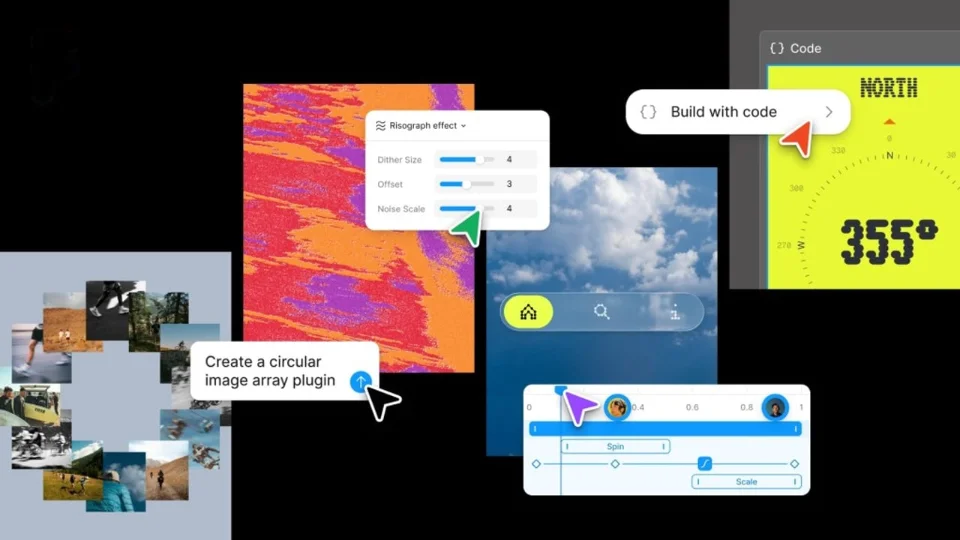
Figma put an AI intern inside the canvas
Figma's Config 2026 update pulls code layers, motion, shaders, Weave tools, and an agent into the design canvas. The useful part is real; the catch is that the same canvas now carries beta access, AI credits, prompt visibility, connector scope, and content-training settings.
Daily AI Product Roast
 Article
SaaS Competitive Radar — Issue #3: Agents enter the work graph
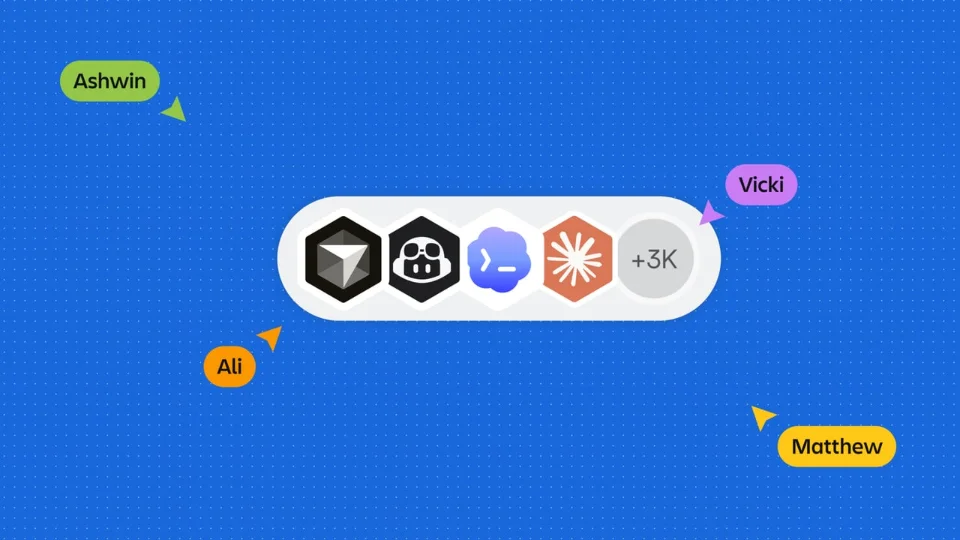
This issue tracks the June 15-21 moves that pushed agents into the work graph: Jira made agents assignable and automatable, Linear put agents on project and release updates, Figma expanded MCP across its creative suite, and Miro turned shared context into its AI operating-model pitch. No confirmed pricing-tier change surfaced this week; Figma Weave is the pricing-watch item.
SaaS Competitive Radar
 Article
Figma Make: The Prompt-to-App Machine Where the Invoice Works Better Than the Prototype
Figma sells Make as prompt-to-app magic. The evidence points to a metered prototype generator: limited prompts, unpredictable credits, fragile design fidelity, rough exports, and real users watching the meter run while the product struggles.
AI Roastmaster Daily
 Article
SaaS Competitive Radar — Issue #2: Who owns the work record?
Linear can now write code, not just track it. Asana rebranded as an agentic work management platform and shipped Dash, its AI chief of staff. Slack's May drop — Salesforce actions, web search, native charts — is rolling out through June with more strategic weight than advertised. Zoom entered the document productivity market at $8.33/user/month. Six companies, six different answers to where AI-assisted work coordination should live.
SaaS Competitive Radar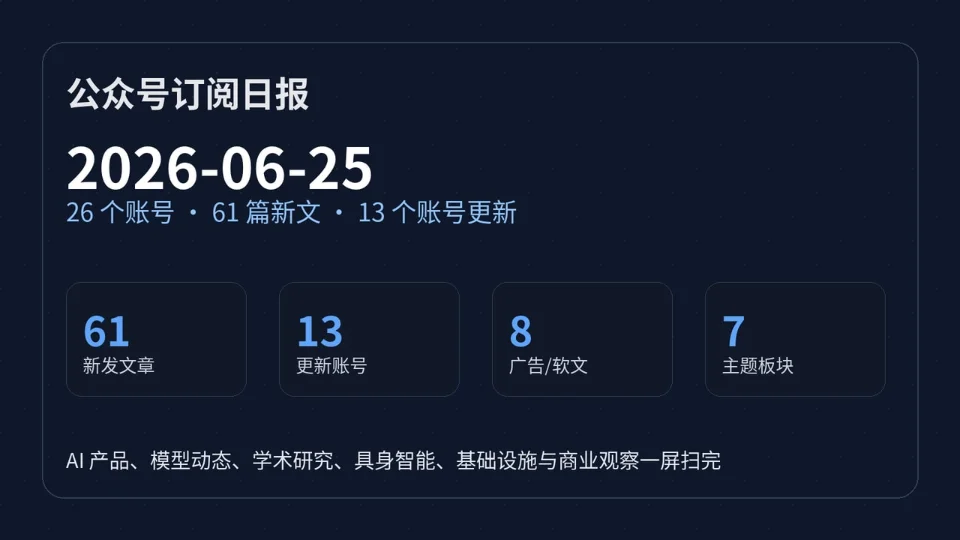 Article
公众号订阅日报|2026-06-26:13 个账号更新,61 篇新文
本期汇总 26 个公众号在 2026-06-25 的发文情况:13 个账号更新、共 61 篇新文,重点关注 OpenAI 自研芯片、Agent 产品形态、Claude / Fable 5 动态、具身智能创业和 AI 基础设施。
我的公众号订阅日报
Add more perspectives or context around this Post.